The Real Math Behind Slot RTP (And Why It Matters)
November 02, 2026 - iGaming


November 02, 2026 - iGaming

October 24, 2026 - iGaming
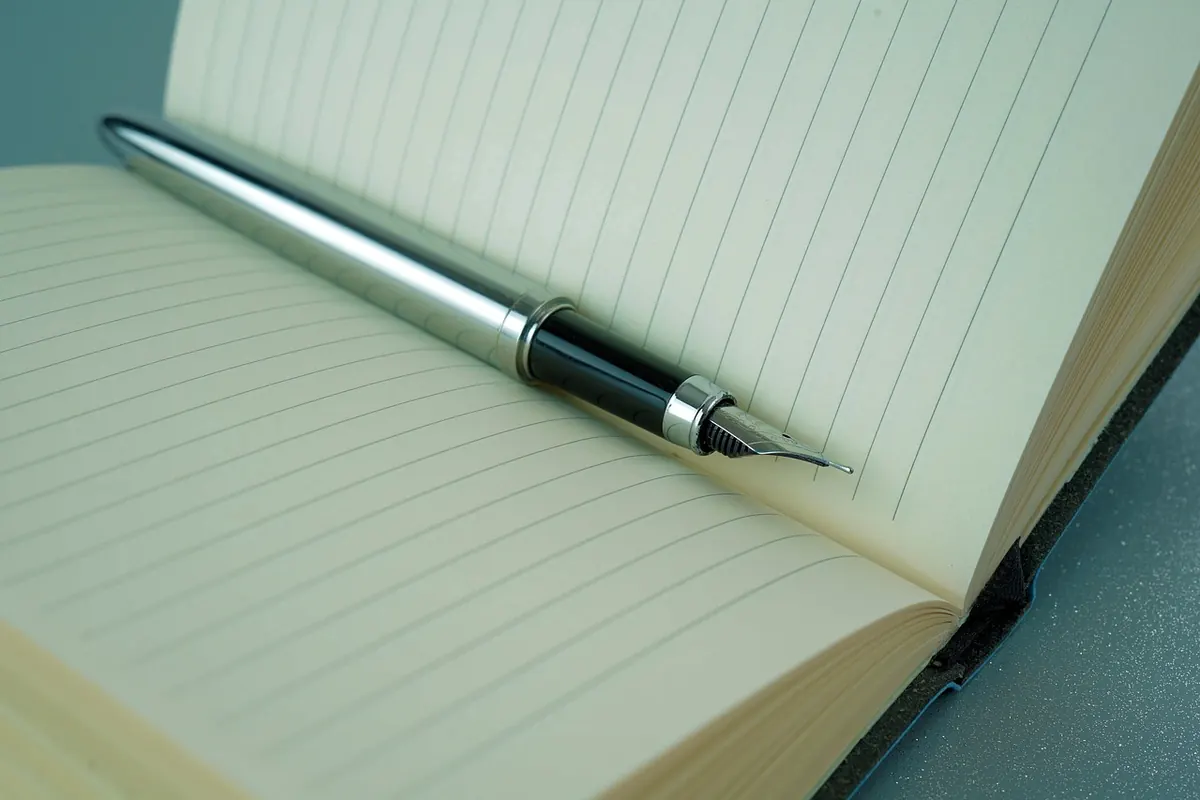
An essay collection is never one manuscript. It is fifteen pieces written over six years, for different editors, in different moods. Each one may be spotless on its own and still sit badly beside its neighbours: realise in chapter two, realize in chapter nine; one essay citing sources in notes, the next in brackets. Proofreading a collection is less about catching typos than about making the whole book read as though one hand guided it.
That work has to happen before typesetting. Once the text is in page proofs, every change costs time, money and goodwill. Here is what to work through while the manuscript is still yours to move around.
Before you read a word for sense, decide the rules. Open a document and call it the style sheet. Everything you settle here becomes the measure for every essay.
Record the decisions you already make without thinking: -ise or -ize; serial comma or not; per cent or %; dates as 3 March 1998 rather than March 3rd; single quotation marks or double. Note the dictionary you are following — Collins, Chambers, Oxford — and any publisher's house style, which always overrides your preference. Add the recurring names, place names and specialist terms that trip people up, with their spellings and capitalisation.
Two hours here saves a fortnight later.
The style sheet is only useful if you use it. Read the essays in running order first, then read them again out of order, which is how most readers will dip into them. Watch for:
Then look for overlaps. If two essays tell the same anecdote, decide which one keeps it. If two make the same argument at length, flag the repetition for the author. That is an editorial conversation, not a comma fix.
Use single quotation marks for speech and quoted matter, with double marks only for quotes inside quotes. Punctuation sits outside the closing quote unless it belongs to the quoted words: he called it 'a mess'; she wrote, 'I was wrong.'
Check that smart quotes have not been broken by text pasted from older files. Straight quotes are a common giveaway, so flag them rather than fixing half of them by hand.
Essays often arrive from different places — a journal, a blog, a lecture — each with its own citation habit. Normalise them. Choose author–date or notes, then convert everything to match.
Work backwards through the bibliography as well as forwards through the text. Every entry should have at least one citation; every citation should have an entry. Broken cross-references are the most common defect in a collection proof.
A collection is where permissions problems surface, because essays written years apart bring rights from years apart.
Make one list of every third-party element: epigraphs, song lyrics, poems, letters, diary entries, interviews, photographs, maps, tables and long extracts. For each, record who owns it, whether permission has been granted in writing, and the exact credit line requested.
Two things trip people up. Song lyrics and poetry are rarely covered by fair dealing in the way ordinary prose is, and rights holders can be hard to trace, so start early. And essays first published in magazines or online may still be under exclusive licence or tied to an embargo. Read your contracts.
Rights law differs between countries and often depends on when an author died. If a permission is unclear, take advice from the publisher's rights team or a specialist rather than guessing.
Do one last pass reading aloud the first and last paragraphs of every essay. Those are the places where a missing word or a borrowed tone shows up fastest. Then freeze the text.
Send the style sheet to the typesetter with the manuscript, along with your permissions list and a short note on anything unresolved. Agree in advance what you will and will not change at proof stage: typos and factual slips, yes; rewrites, no. Keep a change log so you can see what moved between drafts.
Typesetting is the point where the book stops being a manuscript and starts being an object. Arrive there with the text settled, and the only surprises left will be pleasant ones.
Photo: webandi / Pixabay
Ask ten slot players what RTP means and you'll get ten different answers, most of them wrong. The number gets thrown...
You've probably seen the term plastered across casino lobbies: high volatility . It sounds exciting. It sounds like...
November 02, 2026 - iGaming
October 24, 2026 - iGaming
Copyright © 2026 Tide Press. All Right Reserved.