The Real Math Behind Slot RTP (And Why It Matters)
November 02, 2026 - iGaming


November 02, 2026 - iGaming

October 24, 2026 - iGaming
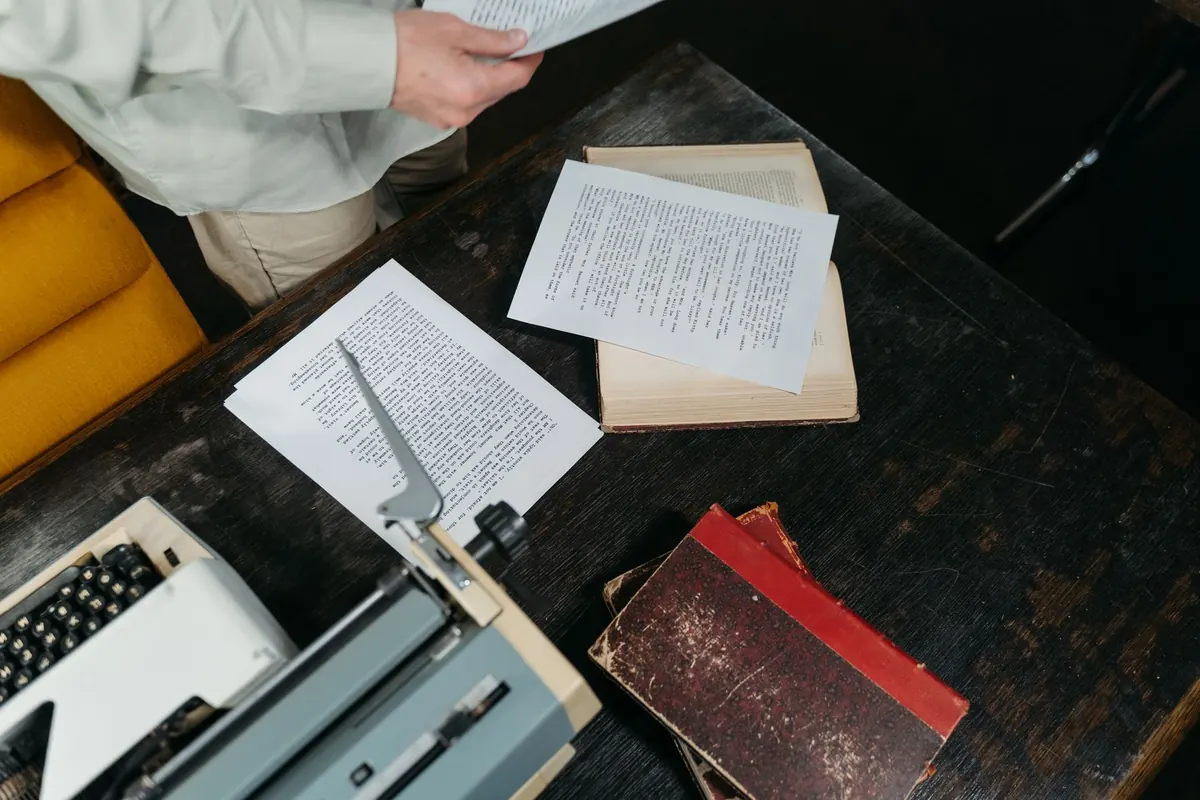
Ask ten authors what a book proposal is for and you'll get ten different answers, most of them shaped by how large trade publishers work. Small independent presses are a different animal. They publish fewer titles, the person reading your proposal is often the person who will edit and sell the book, and they decide quickly. That is good news. A clear, well-structured proposal can win a contract without an agent — and without a finished manuscript sitting in a drawer.
The catch is that a small press has to be choosy. Every title on the list has to earn its place, because there is no deep catalog to hide a disappointment in and no marketing budget big enough to manufacture demand for a book nobody asked for. An editor at a five-person press is not asking, "Will this sell 40,000 copies?" She is asking, "Can I sell 2,000 copies to people who will genuinely love it, and can I explain to my distributor in one sentence why they should care?" Answer those questions somewhere in your proposal and you are already ahead of most of the submissions in her inbox.
At a large trade house, your proposal travels through an acquisitions committee. It gets summarized, compared against a spreadsheet, and judged partly on the size of your platform. At a small press, it usually lands on one desk. The editor reads it on a Tuesday, emails you on Thursday, and if things go well you have a contract by the end of the month.
That intimacy changes what matters:
Consider two proposals that land in the same inbox on the same day. The first is forty pages long: a ten-page market analysis, a competitive title grid, and a note that the author "will hire a publicist." The second is eight pages: a crisp hook, one paragraph on who will buy the book, a chapter outline, a sample chapter, and three sentences describing the author's 3,200-person newsletter and the workshops she runs twice a year. The second one gets the contract — not because it's shorter, but because every page answers a question the editor actually has.
There is no universal template, but almost every proposal that succeeds with a small press contains the same six pieces. Order them the way the press asks; if there are no guidelines, use this sequence.
Open with the hook — the single sentence you'd use if a bookseller asked what you're working on. Then explain, in plain language, what the book is, who it's for, and why now. Avoid throat-clearing. "This book is about..." is a perfectly good way to start. Include the word count and the genre, since those two facts orient everything that follows.
Name three to five recent books that share a shelf with yours, and say honestly how yours differs. Similar to X, but for readers who... is a dependable formula. Editors use this section to picture your book in a catalog, sitting next to a title they already understand and already know how to sell.
List what you can actually do: newsletter size, social following (only if it's real), podcast appearances, teaching, speaking, local media, existing readers. Then describe two or three concrete launch plans. "I'll pitch a excerpt to the three regional magazines that have published me" beats "I'll promote on social media" every time.
One paragraph per chapter is plenty. Each entry should do three things: state the chapter's job, mention a specific story or example, and end with a small hook that makes the next chapter feel necessary. If a chapter has no example, that's usually a sign the chapter isn't finished thinking yet.
Send your strongest chapter, not necessarily your first one. This is the section that decides the outcome. Polish it as if it were going to print, because it might. Ten excellent pages will do more for you than a hasty fifty.
Delivery date, permissions you'll need to clear, whether you have photos or illustrations, and whether this is a simultaneous submission. Small presses appreciate candor here far more than they appreciate being surprised later.
Your cover letter is not a summary. It's an introduction. Keep it under 300 words and follow a simple shape: the hook, a line about why this press, and a short list of credentials.
Dear Ms. Alvarez,
I'm writing to offer Cold Water, Long Winter, a 75,000-word narrative nonfiction book about the people who keep a small fishing town alive through the off-season — and what their choices say about work, place, and staying put.
I've been reading Twelve Lantern Press since The Last Ferry, and this book sits naturally beside your Pacific Northwest titles. I've spent four winters reporting in the harbor. My work has appeared in Harborlight and on the podcast Salt & Timber, and my newsletter reaches roughly 3,200 readers.
The full proposal and two sample chapters are attached. Thank you for your time.
Notice what it does not do. It doesn't apologize for being unpublished, doesn't explain that you've never written a book before, and doesn't ask the editor to imagine a market you couldn't be bothered to describe.
Give it four to six weeks, then send one short, friendly email. Mention the date you submitted, restate the title in a single line, and ask whether they'd like anything else. If you get a pass, thank them and mean it — small presses remember gracious authors. If you get silence, move on to the next press on your list. These operations are chronically understaffed, and silence is almost never personal.
The whole point of a proposal is to make an overworked editor's decision easy. Say what the book is, who will buy it, why you're the person to write it, and prove it with pages that sing. Do that in eight or ten focused pages, and you'll be doing something most submissions never manage: giving a small press a reason to say yes.
Photo: Tima Miroshnichenko / Pexels
Ask ten slot players what RTP means and you'll get ten different answers, most of them wrong. The number gets thrown...
You've probably seen the term plastered across casino lobbies: high volatility . It sounds exciting. It sounds like...
November 02, 2026 - iGaming
October 24, 2026 - iGaming
Copyright © 2026 Tide Press. All Right Reserved.