The Real Math Behind Slot RTP (And Why It Matters)
November 02, 2026 - iGaming


November 02, 2026 - iGaming

October 24, 2026 - iGaming
You have thirty-odd poems, a folder of rejections and a growing sense that it is time to put something into the world. The question that stops most poets is not whether to publish but what to publish. A pamphlet of twenty poems and a full collection of sixty are different objects, with different costs, audiences and expectations. Choose badly and you may spend money you did not need to spend — or send a manuscript out years before it is ready. The good news is that the decision is usually made by the poems themselves, once you know what to look for.
In UK poetry publishing, a pamphlet — sometimes called a chapbook — is the shorter form: usually a dozen to thirty poems, often landing somewhere around twenty to thirty pages once typeset. A full collection is the longer book, commonly fifty pages and upwards, and it is the format most publishers reserve for a poet with a track record.
Those figures are conventions, not rules. What matters is the promise each form makes. A pamphlet says: here is a concentrated body of work, one preoccupation, one voice, held tightly together. A collection says: here is range and development, enough variety to carry a reader across a longer sitting. Publishers read them differently. So do readers browsing a table at a festival.
Put another way: a pamphlet of twenty poems about a grandmother's dementia can hold a reader completely. A collection has to move that same reader from elegies to love poems to a sequence about a river without losing their footing. The second job is harder, and it needs more poems than most of us have written by the time we are impatient to publish.
Before you decide anything, spread the poems out. Not in a document — on the floor, across the kitchen table. Group them by subject, by form, by when they were written. Most poets find the work clusters: eight poems about a parent, six about a particular city, a handful that are formally playful in a way nothing else is.
That clustering is your answer. One strong cluster of fifteen to twenty poems that already speak to each other is a pamphlet. Three or four clusters that can be made to talk to each other, with enough connective tissue to hold them, might be a collection.
Take a common example. A poet spreads out thirty-four poems and finds eighteen set on a coastal town, nine love poems and seven experiments with line breaks. There is no full collection there, but there is an excellent pamphlet — the coastal poems, with two of the love poems slipped in to give the reader air. The remaining poems are not failures. They are the beginning of the next thing.
What you probably do not have at this stage is sixty poems of consistent quality. Most poets don't. Twenty poems you believe in will serve you far better than forty with twenty fillers among them. Read every poem aloud, and be honest about the ones you are only defending because of the hours you put in.
A pamphlet is cheaper to produce: fewer pages, shorter print runs, less editing time. That is one reason it is the usual first step. But cheap is not the same as free, and arrangements vary widely. Some presses publish pamphlets at no cost to the poet and pay royalties; others charge a reading fee; a few expect a contribution towards production. Ask for a written quote, and a clear list of what is included.
The numbers are worth keeping in proportion. A reading fee of ten pounds is a different proposition from a two-thousand-pound production contribution, and a print run of two hundred pamphlets is a different risk from five hundred collections sitting in a spare room.
Be wary of paying a large sum to a publisher you cannot find in bookshops or on prize lists. If you are offered a contract, ask someone with publishing experience to read it before you sign.
Readiness is not a feeling. It is a set of practical signs, and they are mostly about the manuscript rather than the poet.
You are probably ready for a pamphlet when you can describe the whole thing in one sentence, when you can sequence it without agonising, when you have already cut two poems you loved, and when trusted readers ask what happens next rather than what it means. You are probably not ready when the central poem is still unwritten, when you have three "best poems" pulling in opposite directions, or when the only person who has read the whole manuscript is you.
A collection demands one more thing: evidence that you can sustain a voice across distance. If the last twenty poems are noticeably weaker than the first twenty, the reader will feel it, and so will the editor.
Poetry has an unusual feature: the pamphlet is not a lesser version of the book. It is a recognised form with its own prizes, reviews and champions — the Michael Marks Awards and the Poetry Book Society's pamphlet selections are two well-known examples — and pamphlet publication is a perfectly respectable first credit, one that can lead to a full collection later.
What publishers look for in a debut is usually not length but finish. A tight, well-sequenced pamphlet shows you can make choices and edit ruthlessly. A sprawling first collection suggests the opposite, even when individual poems are strong. If the press you admire only takes full collections, that is information about the press, not a verdict on your pamphlet.
Not every manuscript has to be twenty or sixty poems. A short collection of thirty-five to forty-five poems sits between the two forms, and a number of independent presses publish them, particularly for poets who have already placed work in magazines. It is worth asking whether a press you like has a middle list before you assume the choice is binary.
There are other routes too. A pamphlet can be the first half of a collection that grows over three or four years; some poets keep the pamphlet in print and build the book around it, adding the strongest new work and letting the weakest older poems fall away. Self-publishing and crowdfunding work for poets with a readership already waiting, though they put the editing, design and distribution squarely on you. And the poems that do not fit are not waste — they are the raw material for the sequence you will write next year.
Think about where your poems will meet readers. At a reading or an open mic, a slim pamphlet is easy to carry, cheap to post and easy for a stranger to say yes to. Most poetry sells in person: at launches, at festivals, at workshops, through the network of people who have heard you read. A pamphlet priced at eight pounds is an impulse purchase. A collection priced at twelve or fourteen is a decision, and decisions need a reason — a review, a recommendation, a prize listing, or a reader who already trusts you.
Practical details matter more than they should. Pamphlets are light enough to post cheaply and small enough to sell from a coat pocket. Full collections are harder for a bookshop to justify stocking unless they have a distributor, but they look substantial on a shelf and they are easier to review.
A pamphlet is not a rehearsal for a book. It is a book, and it should be made as carefully as one.
If the answer is a pamphlet, plan it properly: choose the poems, order them, find the press, and give it the attention a full collection would get. If the answer is a collection, be honest about whether every poem in it earns its place. Either way, the manuscript you publish first will not be your last, and the poems you leave out today are often the ones that make the next one possible.
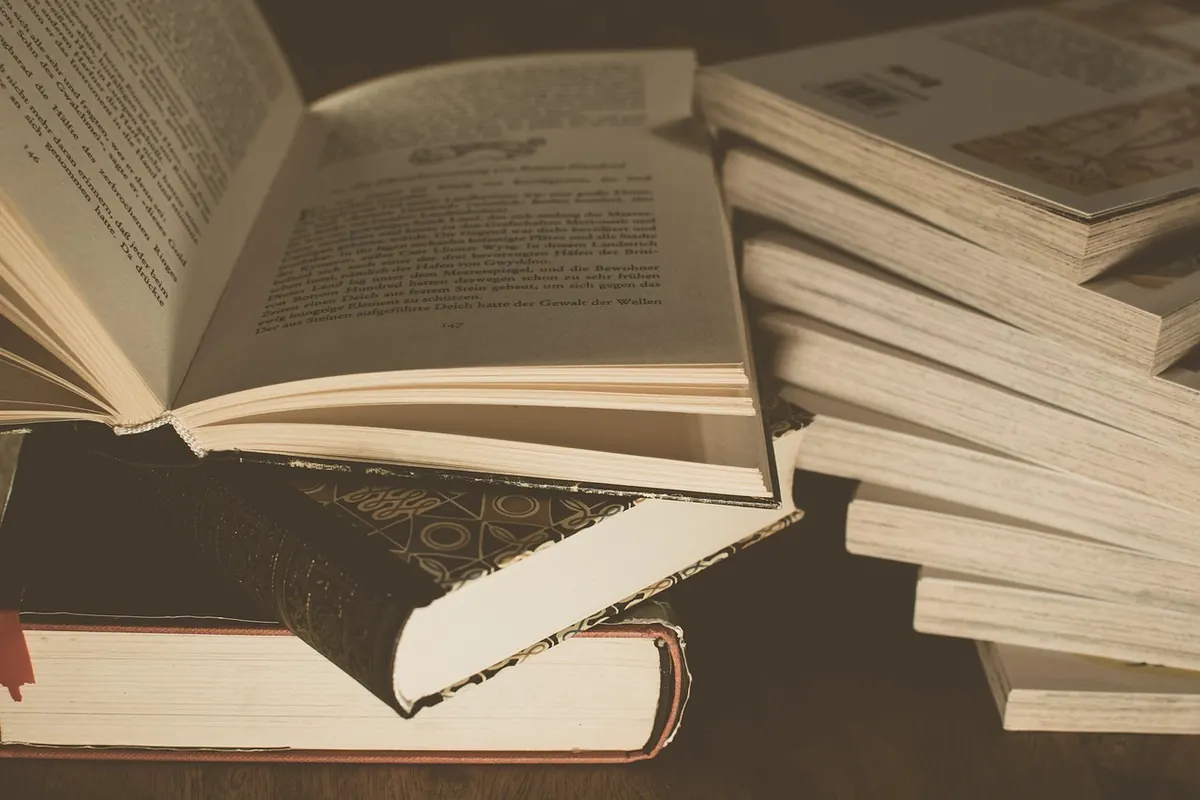
Photo: ThorstenF / Pixabay
Ask ten slot players what RTP means and you'll get ten different answers, most of them wrong. The number gets thrown...
You've probably seen the term plastered across casino lobbies: high volatility . It sounds exciting. It sounds like...
November 02, 2026 - iGaming
October 24, 2026 - iGaming
Copyright © 2026 Tide Press. All Right Reserved.