The Real Math Behind Slot RTP (And Why It Matters)
November 02, 2026 - iGaming


November 02, 2026 - iGaming

October 24, 2026 - iGaming
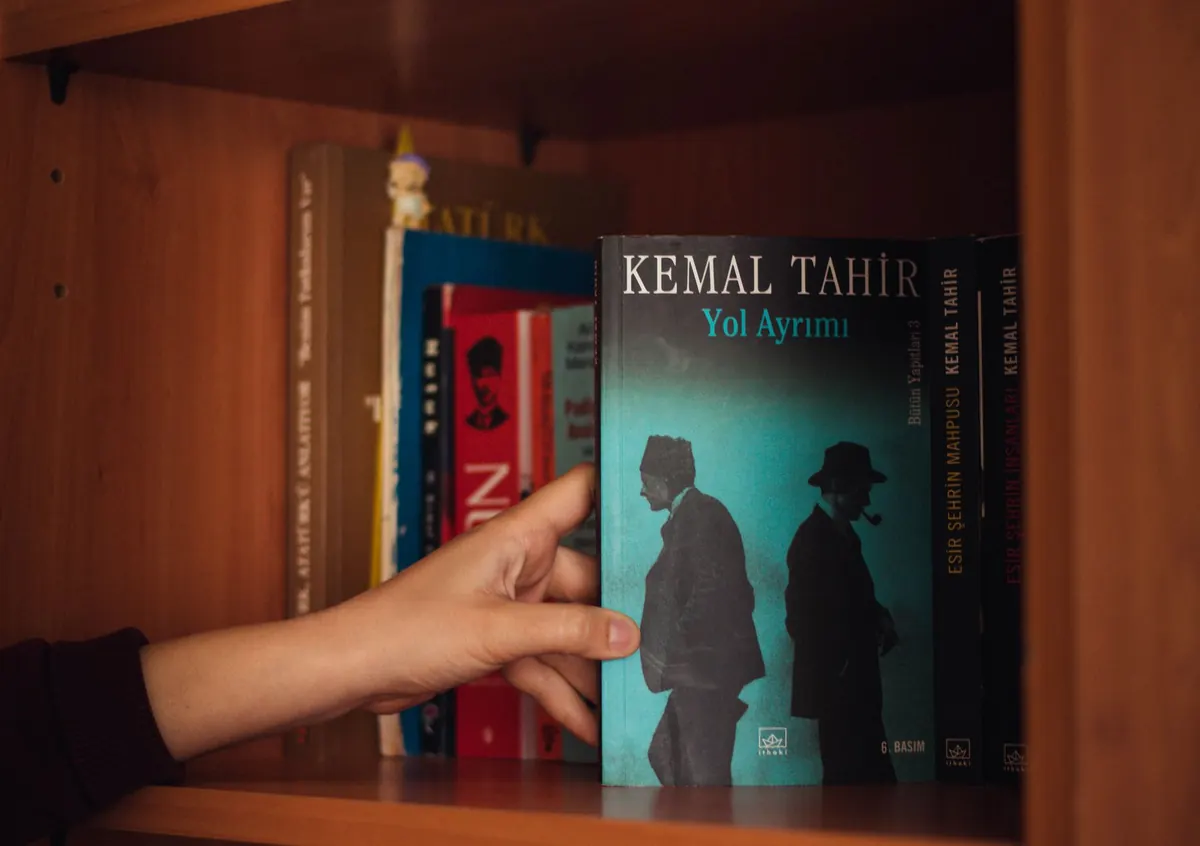
Every book needs a number before it can be sold properly. Not because a distributor is being awkward, but because the ISBN is the thread that connects your title to every catalogue, till system and library in the country. Get it wrong and you will spend a fortnight untangling metadata; get it right and nobody notices, which is exactly the point. This guide covers the three administrative jobs that catch out most UK indie publishers: ISBNs, barcodes and legal deposit.
An ISBN is a thirteen-digit identifier for one specific edition of one specific book, in one specific format and binding. A paperback, a hardback and an EPUB are three separate products, so they need three separate ISBNs. A revised second edition needs a new number. A straight reprint with no changes does not.
It is worth being clear about what an ISBN is not. It is not copyright protection. It does not register your title as a trademark, and it does not give you any rights you did not already have. Nor is it compulsory in every case: a family history printed for relatives, or a poetry pamphlet sold at readings, can manage without one.
But the moment you want a bookshop, a wholesaler or a library to handle your book, you need a number. Retail systems match orders against ISBNs, not titles. Two books called The Long Field are indistinguishable until they have numbers.
In the UK and Ireland, ISBNs are issued by the Nielsen ISBN Agency, and that is the only official source. You can buy a single number or a block — commonly ten, a hundred or a thousand — and the cost per number falls steeply as the block gets larger. If you expect to publish more than one format, or more than one book, a block of ten is usually the sensible purchase. Do the arithmetic before you commit.
Free ISBNs do exist, offered by some print-on-demand platforms and retailers. Read the terms. Typically the number is registered to that platform as publisher of record, it cannot be used elsewhere, and the imprint shown in trade databases may be theirs rather than yours. If you want to be your own publisher in book-trade terms, buy your own.
Two jobs people forget once the number arrives:
Do not buy ISBNs from a reseller or a friend. Numbers are assigned to a publisher, and the record will not follow you.
The barcode on the back cover is an EAN-13 symbol that encodes your ISBN, with a 978 or 979 prefix. Some covers also carry a five-digit add-on holding the price. In the UK that add-on is optional and frequently left off, because a shop can scan the main barcode and read the price from its own system.
You have three routes. Nielsen can supply a barcode image when you register the ISBN. Many print-on-demand platforms place one automatically if you give them a number. Or you can generate the image yourself from the ISBN using reputable barcode software.
If you generate it yourself, check four things before the files go to the printer:
Test scan it from a printed proof. A barcode that works on screen is not proof that it works on paper.
UK legal deposit law requires publishers to send copies of printed books to the legal deposit libraries. The British Library is entitled to a copy of every UK print publication, and it should arrive within one month of publication. The other five — the National Library of Scotland, the National Library of Wales, the Bodleian Libraries, Cambridge University Library and Trinity College Dublin — can claim copies through the Agency for the Legal Deposit Libraries, usually within a year.
In practice: post one copy to the British Library, then wait and see whether the agency claims any for the rest. Build the postage into your budget, because a worst case is six copies.
Legal deposit is a statutory duty, not a courtesy, and it is separate from any copyright registration service — there is no official register of UK copyright to add your book to.
The rules for non-print works are more detailed than the print ones. If you are unsure how they apply to your list, check the British Library's current guidance or take proper advice. What follows is a starting point, not legal advice.
Since 2013, non-print publications have fallen under legal deposit too. That covers ebooks, audiobooks and some other digital works, with different rules about what must be deposited and who may access it. Material that is freely available online is generally harvested by the libraries rather than sent in by the publisher, and some categories of publication and publisher are treated differently.
If you are launching a paid ebook or audiobook, look up the current non-print guidance before publication day. Working it out at launch takes an afternoon; working it out two years later takes far longer.
None of this is glamorous, and that is rather the point. ISBNs, barcodes and deposit copies are the plumbing of publishing: invisible when they work, expensive when they do not. Sort them out once, keep the records tidy, and you can get back to the part that actually matters — writing the next one.
Photo: Levent Simsek / Pexels
Ask ten slot players what RTP means and you'll get ten different answers, most of them wrong. The number gets thrown...
You've probably seen the term plastered across casino lobbies: high volatility . It sounds exciting. It sounds like...
November 02, 2026 - iGaming
October 24, 2026 - iGaming
Copyright © 2026 Tide Press. All Right Reserved.